
What is Compounding?
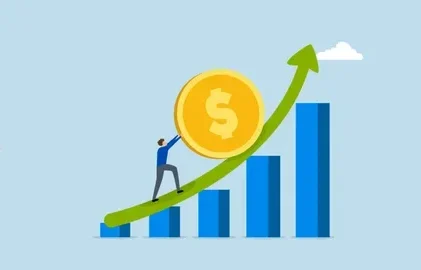
Compounding is the process where your initial effort, money, or action starts producing results—and then those results themselves generate further results. In finance, it means your savings or investments earn interest, and that interest is reinvested to earn even more. Outside finance, compounding shows up in skills, habits, and relationships, quietly multiplying what you put into them.
Think of a snowball rolling down a hill. At first, it looks tiny and almost insignificant. But as it rolls further, it gathers more snow, grows larger, and becomes unstoppable. That’s how compounding works—slow at the beginning, powerful over time.
Why Compounding Feels Like Magic
One reason compounding feels magical is because the human mind tends to think in straight lines, not curves. We expect progress to be linear—double the effort, double the outcome. But compounding is exponential. It rewards patience in a way that surprises most people.
Let’s take a simple example. If you invest ₹10,000 at a 10% annual return, after one year, you’ll have ₹11,000. That doesn’t feel life-changing. But leave it untouched: in 10 years, it grows to nearly ₹26,000; in 20 years, more than ₹67,000. Nothing extra was added—time did the heavy lifting.
This is why Albert Einstein reportedly called compounding the “eighth wonder of the world.” It works silently in the background, and only those who wait long enough experience its true impact.
Beyond Money: The Compounding of Life
Compounding isn’t just a financial principle. It’s a universal truth that applies in every corner of life.
- Learning: Reading 10 pages a day might feel trivial, but over a year, you’ve finished several books. Over a decade, you’ve built a library of wisdom.
- Habits: One short workout won’t transform your health. But years of consistent effort reshape your body and energy levels.
- Relationships: Acts of kindness and trust may seem small individually. But repeated over time, they compound into strong, lifelong bonds.
When you zoom out, compounding teaches us something profound: big results are nothing more than small actions, repeated consistently.
The Three Rules of Compounding
Although the principle is simple, actually benefiting from compounding requires discipline. Three rules stand out:
- Start Early
Time is the most important ingredient. Beginning even a few years earlier can make an enormous difference. For instance, someone who starts investing at 25 will end up with much more by retirement than someone who begins at 35, even if both contribute the same amount every month. - Stay Consistent
Compounding thrives on regular contributions. Whether it’s money or effort, stop-start behavior interrupts the snowball effect. Small, steady steps are far more powerful than occasional bursts. - Be Patient
The first few years of compounding can feel underwhelming. That’s when most people quit. But patience pays off. Once the curve turns upward, the results accelerate beyond imagination.
Bringing Compounding Into Your Life
The beauty of compounding is that you don’t need extraordinary resources to take advantage of it. What you need is time, consistency, and discipline. Here’s how you can bring it into everyday life:
- In Money: Automate small monthly investments. Even modest amounts add up over decades. Avoid frequent withdrawals, because they interrupt growth.
- In Learning: Dedicate 15 minutes daily to reading, practice, or skill-building. It won’t look like much today, but years later, you’ll be ahead of 90% of people.
- In Habits: Start small—a walk, journaling, meditation. Let the small steps become part of your identity, and they’ll compound naturally.
Compounding reminds us that the best results in life are rarely quick wins. They are built slowly, silently, and steadily.
Closing Thought
So, what exactly is compounding? It’s the quiet power of growth stacked upon growth—interest on interest, knowledge on knowledge, habit on habit. It shows us that extraordinary outcomes don’t come from giant leaps, but from small, consistent actions that are allowed to grow over time.
The best time to start was yesterday. The second best is today.